


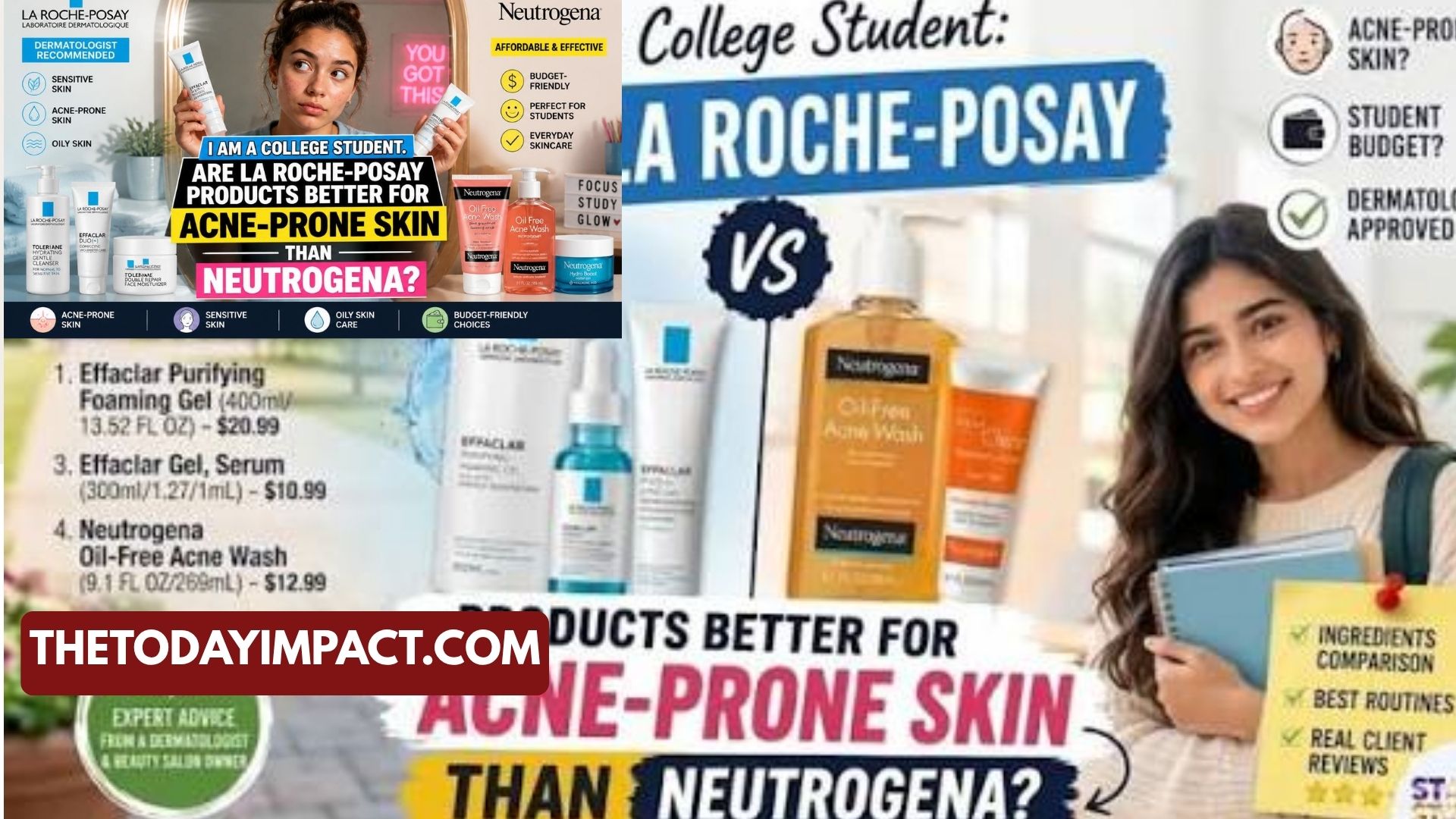
College life sounds exciting, but your skin often tells a different story. Late-night study sessions, stress before exams, skipping meals, and sleeping on the same pillowcase for two weeks — all of these things quietly destroy your skin. When you are constantly stressed, your body produces more cortisol, which is a hormone that tells your skin to make more oil. More oil means more clogged pores, and more clogged pores means more breakouts. It is a cycle that feels impossible to escape, especially when you are busy with classes and barely have time to wash your face properly.
- What Is La Roche-Posay? A Simple Look for College Students with Acne-Prone Skin
- Why La Roche-Posay Is Popular for Acne-Prone College Skin
- Is La Roche-Posay Worth It for a College Budget?
- Why Neutrogena Is So Popular Among College Students
- Is Neutrogena Enough to Treat Acne on Its Own?
- La Roche-Posay vs Neutrogena for Acne-Prone Skin — Head-to-Head Comparison
- Which Is Better for Your Skin Type — La Roche-Posay or Neutrogena?
- How to Build a Simple Acne Skincare Routine as a College Student
- Final Verdict — Are La Roche-Posay Products Better for Acne-Prone Skin Than Neutrogena?
- FAQs (Quick Answers in Simple Words)
The problem gets worse when students grab whatever acne product is on sale without thinking about whether it actually suits their skin. Some products are too harsh and strip the skin completely dry. Others are too gentle and do not do anything at all. This is exactly why choosing between brands like La Roche-Posay and Neutrogena matters more than people think. The right product can calm your skin down over time. The wrong one can leave your face red, flaky, and broken out worse than before.
How Stress, Poor Sleep, and Diet Trigger Breakouts in College
Stress is one of the biggest hidden causes of acne for college students. When your body is under pressure, it releases hormones that increase oil production in your skin. This extra oil mixes with dead skin cells and bacteria inside your pores, leading to pimples, blackheads, and painful cysts. Many students notice their skin gets worse right before finals or during a tough week — and that is not a coincidence.
Sleep is just as important. When you sleep, your body repairs itself, including your skin. Students who sleep less than six hours regularly often notice duller skin, more redness, and more breakouts. On top of that, a diet heavy in fast food, sugary drinks, and processed snacks can spike your insulin levels, which also triggers more oil production. Your skin is basically a mirror of what is happening inside your body.
Why Using the Wrong Acne Products Makes Things Worse
A lot of students make the mistake of using the strongest acne product they can find, thinking it will clear their skin faster. But stronger does not always mean better. Very aggressive products can damage your skin barrier, which is the thin protective layer that keeps moisture in and bacteria out. Once that barrier is broken, your skin becomes sensitive, red, and prone to even more breakouts. It becomes a frustrating loop where you treat the acne but create new problems at the same time.
This is why understanding what is inside your skincare products is so important. Ingredients like benzoyl peroxide work fast but can be very drying. Salicylic acid is gentler and works well for most people. Niacinamide calms redness and supports the skin barrier. Knowing these basics helps you pick products that actually work with your skin instead of against it.
| Feature | Why It Matters |
|---|---|
| Non-comedogenic | Won’t clog pores or cause more breakouts |
| Fragrance-free | Less chance of irritation on sensitive skin |
| Contains salicylic acid or benzoyl peroxide | Proven acne-fighting ingredients |
| Lightweight moisturizer included | Prevents dryness from acne treatments |
| Affordable price point | Sustainable for a student budget |
When shopping for acne skincare, always look for the word non-comedogenic on the label. This simply means the product will not clog your pores. Fragrance-free is also important because added scents are one of the most common causes of skin irritation. Beyond that, focus on products with proven active ingredients rather than fancy packaging or celebrity endorsements.
La Roche-Posay vs Neutrogena — Why These Two Brands Keep Coming Up
These two brands are recommended by dermatologists more than almost any other over-the-counter option. La Roche-Posay is a French pharmacy brand that has been around since 1975 and is built around sensitive skin care. Neutrogena is an American brand that has been a drugstore staple for decades, known for being affordable and easy to find. Both are trusted, both are backed by science, and both have products specifically made for acne-prone skin. But they are not the same, and understanding their differences can save you a lot of money and frustration.
What Is La Roche-Posay? A Simple Look for College Students with Acne-Prone Skin
La Roche-Posay is a skincare brand from France that is mainly known for making products for sensitive and acne-prone skin. What makes this brand different is that it focuses not just on removing acne, but also on protecting your skin barrier. Many students don’t realize this, but your skin has a natural protective layer. If you damage it with harsh products, your acne can actually get worse. That’s why La Roche-Posay products often feel gentle, even when they are treating breakouts.
Another important thing is that this brand is often recommended by dermatologists. Their formulas usually include calming ingredients like niacinamide and their famous thermal spring water, which helps reduce redness and irritation. So instead of attacking acne aggressively, La Roche-Posay works slowly and carefully. This makes it a good option if your skin gets red, itchy, or irritated easily — something many college students experience due to stress and lack of sleep.
Why La Roche-Posay Is Popular for Acne-Prone College Skin
For students, skincare needs to be simple and safe. La Roche-Posay’s acne line, especially the Effaclar range, is designed to balance oil, clear pores, and keep skin calm at the same time. One key ingredient they use is Lipo-Hydroxy Acid (LHA), which is similar to salicylic acid but works more gently. This means you still get exfoliation (removing dead skin) without damaging your skin too much.
| Feature | Why It Helps Acne-Prone Students |
|---|---|
| Gentle formulas | Reduces risk of irritation |
| LHA & salicylic acid | Clears pores slowly and safely |
| Niacinamide | Calms redness and strengthens skin |
| Oil-free products | Helps control shine without clogging pores |
Another thing students often worry about is whether the product will make their skin worse before it gets better. With La Roche-Posay, breakouts usually improve gradually, not overnight. So if you are expecting instant results, this brand may feel slow — but it is often safer in the long run.
Is La Roche-Posay Worth It for a College Budget?
Now let’s be honest — as a college student, budget matters a lot. La Roche-Posay is definitely more expensive than drugstore brands like Neutrogena. A single product can cost more than what you might usually spend. But the question is not just price — it is value.
If your skin is sensitive and keeps reacting badly to cheaper products, you may actually save money by using something that works properly the first time. You won’t need to keep switching products or dealing with extra breakouts. On the other hand, if your skin is strong and not easily irritated, you might not need to spend this much.
A simple way to think about it:
- If your skin burns, stings, or turns red easily → La Roche-Posay is a safer choice
- If your skin is oily but not sensitive → you might not need such a gentle (and expensive) option
In short, La Roche-Posay is not about quick fixes. It is about long-term skin health, which can be very helpful during stressful college years when your skin is already under pressure.
Neutrogena is a very popular American skincare brand that you will find almost everywhere — from supermarkets to pharmacies. It is known for being affordable, easy to use, and fast-acting, which is why many college students choose it first when they start dealing with acne. Unlike some gentle skincare brands, Neutrogena focuses more on actively fighting pimples and controlling oil, especially if your skin is very oily or you get frequent breakouts.
One reason Neutrogena stands out is its use of strong acne-fighting ingredients like benzoyl peroxide, salicylic acid, and adapalene (a type of retinoid). These ingredients work by killing acne-causing bacteria, unclogging pores, and reducing oil. So if you are someone who wakes up with sudden pimples before a class or event, Neutrogena products often give quicker visible results compared to gentler brands. But at the same time, this strength can sometimes lead to dryness or irritation if not used carefully.
Why Neutrogena Is So Popular Among College Students
College life is busy, and most students want something that works quickly without too much thinking. Neutrogena fits perfectly into that lifestyle. You don’t need a complicated routine — just a face wash or treatment gel can already make a difference. It is also widely trusted because it has been around for many years and is often recommended for basic acne control.
| Feature | Why It Helps Acne-Prone Students |
|---|---|
| Affordable price | Easy to maintain on a student budget |
| Benzoyl peroxide | Kills acne bacteria fast |
| Salicylic acid | Clears clogged pores |
| Oil-control formulas | Reduces shine and greasiness |
Another reason students like Neutrogena is that it gives a feeling of instant action. For example, benzoyl peroxide can start reducing acne-causing bacteria within hours. So if you are dealing with sudden breakouts due to stress, junk food, or lack of sleep, this brand often feels more “powerful.”
Is Neutrogena Enough to Treat Acne on Its Own?
For many students, yes — Neutrogena can be enough, especially if your acne is mild to moderate. A simple routine using a cleanser and one treatment product can already help reduce breakouts. But the key thing to understand is that stronger does not always mean better for everyone.
If you overuse products with benzoyl peroxide or salicylic acid, your skin can become too dry, flaky, or irritated. When this happens, your skin may actually produce more oil to compensate, which can lead to even more acne. This is why some students feel like their acne gets worse after trying strong products — it is usually because the skin barrier gets damaged.
So a smart way to use Neutrogena is:
- Start slowly (don’t use strong treatments every day at first)
- Always use a light moisturizer to balance your skin
- Watch how your skin reacts instead of blindly following trends
In simple words, Neutrogena is great if you want fast and affordable acne control, but you need to use it wisely. If your skin can handle strong ingredients, it can work very well. But if your skin is sensitive, it might feel a bit too harsh compared to La Roche-Posay.
La Roche-Posay vs Neutrogena for Acne-Prone Skin — Head-to-Head Comparison
When you compare La Roche-Posay and Neutrogena, the biggest difference is how they treat acne. La Roche-Posay focuses on gentle healing and skin protection, while Neutrogena focuses on fast acne removal and oil control. Both work, but they work in very different ways. If your skin gets irritated easily, a harsh product can damage your skin barrier and make acne worse. But if your skin is very oily and strong, gentle products may feel too slow.
Another important difference is how your skin feels during treatment. With La Roche-Posay, your skin usually stays calm, soft, and balanced, even if results take time. With Neutrogena, you may see faster pimple reduction, but sometimes with dryness or slight burning if overused. So this is not about which brand is “better” overall — it is about what your skin actually needs right now.
| Feature | La Roche-Posay | Neutrogena |
|---|---|---|
| Approach | Gentle + repair | Strong + fast |
| Best for | Sensitive acne-prone skin | Oily acne-prone skin |
| Results speed | Slow but steady | Fast but sometimes harsh |
| Irritation risk | Low | Medium to high |
| Price | Higher | Budget-friendly |
Which Is Better for Your Skin Type — La Roche-Posay or Neutrogena?
Your skin type matters more than the brand name. If you choose the wrong product for your skin, even the best brand will not help. For example, if you have dry acne-prone skin and you use strong oil-control products, your skin may become worse instead of better. That is why understanding your skin is more important than following trends.
If your skin is oily and thick, Neutrogena can work really well because it removes excess oil quickly. But if your skin is dry, sensitive, or easily irritated, La Roche-Posay is usually the safer option. Combination skin (oily in some areas, dry in others) may need a mix of both approaches. Many college students actually use products from both brands to balance results and comfort.
| Skin Type | Better Choice |
|---|---|
| Oily + acne-prone | Neutrogena |
| Dry + acne-prone | La Roche-Posay |
| Sensitive skin | La Roche-Posay |
| Combination skin | Mix of both |
| Hormonal acne | Depends on tolerance |
How to Build a Simple Acne Skincare Routine as a College Student
A good routine does not need to be complicated. Many students make the mistake of using too many products, which confuses the skin and causes more breakouts. The truth is, a simple routine done daily works better than a complicated one done sometimes. You only need a few steps: cleanser, treatment, moisturizer, and sunscreen.
You can also mix products from La Roche-Posay and Neutrogena depending on your needs. For example, you might use a gentle cleanser from La Roche-Posay and a treatment gel from Neutrogena. The goal is balance — not loyalty to one brand.
| Time | Step | Example Type |
|---|---|---|
| Morning | Cleanser | Gentle face wash |
| Morning | Moisturizer | Oil-free lotion |
| Morning | Sunscreen | SPF 30+ |
| Night | Cleanser | Same or gentle wash |
| Night | Treatment | Acne gel (use slowly) |
| Night | Moisturizer | Hydrating cream |
Final Verdict — Are La Roche-Posay Products Better for Acne-Prone Skin Than Neutrogena?
The honest answer is: it depends on your skin, not just the brand. La Roche-Posay is better if your skin is sensitive, irritated, or damaged. It helps your skin heal while treating acne slowly. On the other hand, Neutrogena is better if your skin is oily and you want quick results at a lower price.
For most college students, the best approach is not choosing one side, but finding a balance. Start simple, watch how your skin reacts, and adjust slowly. Skincare is not about copying others — it is about understanding your own skin and being patient with it.
FAQs (Quick Answers in Simple Words)
1. Is La Roche-Posay better than Neutrogena for acne?
It is better for sensitive skin, but not always for oily skin.
2. Can I use both brands together?
Yes, many students mix them for better balance.
3. Which works faster for pimples?
Neutrogena usually works faster but can be harsh.
4. Is La Roche-Posay worth the money?
Yes, if your skin gets irritated easily.
5. What should I start with as a student?
Start simple — cleanser, moisturizer, and one treatment only.
Read more : News LoveLolaBlog: The Lifestyle Platform People Can’t Stop Reading
